



TLDR: Chemical sunscreen provides UV protection from inside the skin while Mineral sunscreen acts as a shield on the surface of skin. Both types of sunscreens can provide UVB and UVA protection, but Zinc Oxide is the only approved UV filter that excels at both UVB and UVA protection, and is GRASE by the FDA. Mineral sunscreens have been proven safe for healthy, intact skin in both micronized and nanoparticle form over more than 15 years of research. Zinc Oxide sunscreen is safe for sensitive skin, eczema, and rosacea, and mineral sunscreens are the only type accepted by the National Eczema Society Seal of Acceptance program.
At a glance:
- People like the invisible application of chemical sunscreens, but they come with drawbacks like safety concerns for long term health and the environment, unstable formulas, limited UVA protection, and allergy reactions.
- Mineral sunscreens used to cause a whitening effect, but advances in milling of Zinc Oxide and Titatanium Dioxide offer customers transparent, proven safe options.
- People with a healthy skin barrier can use even nano particle mineral sunscreens without worry.
- People with broken skin or a damaged skin barrier should choose micronized mineral sunscreens to prevent absorption of nano minerals.
- Combination mineral + chemical sunscreens should be avoided as the UV filters interact badly, causing loss of particularly UVA protection and the creation of toxic chemical byproducts.
- People with sensitive skin should also look at the inactive ingredients when shopping to avoid reactions from carrier ingredients, fragrances, silicones, and preservatives.
For the conscious consumer, choosing the right sunscreen can feel like studying for a final exam. With the overwhelming number of options, conflicting advice, and balancing the day-to-day requirements of adulting, who has the time? But when it comes to sunscreen, it’s worth looking beyond the bold SPF number on the bottle. Not all sunscreens are created equal and your skin deserves the best.
What Is The Difference Between Mineral vs Chemical Sunscreen?
Sunscreens are regulated by the FDA as an OTC (over the counter) drug. There are testing requirements to measure effectiveness and safety of a product before it enters the market. Sunscreens contain UV filters, approved by the FDA that must be listed on a sunscreen as the “active” ingredients. The inactive ingredients used to formulate the product are listed after the UV filters. SPF (Sun Protection Factor), broad-spectrum coverage, photostability, how it holds to the skin, and how it looks once applied are just a few things that are evaluated in the process.
It is important to think about what UV filters, or active ingredients, you want to use. There are many and the safety of most of the FDA-approved UV filters have been up for debate for a very long time. The research that has been done not only reveals concerns about endocrine disruption but several adverse environmental impacts for many of the active ingredients. Even the FDA only rates 2 of the 16 they have approved as safe and effective.
Zoom In On Sunscreen Active Ingredients
Let’s take a closer look at sunscreen science because not all approved UV filters make the cut. The FDA groups UV filters into three categories:
Category I - Titanium dioxide (TiO₂) and zinc oxide (ZnO) are officially labeled GRASE (Generally Recognized As Safe and Effective).
Category II - 4-aminobenzoic acid (PABA) and trolamine salicylate land here, and the FDA deems these as not GRASE and are NOT considered safe or effective.
Category III - There’s not enough data to say that these are, or are not, safe and effective. So the FDA is still doing its homework. Right now, these ingredients are still under review. They haven’t been deemed safe just yet, but they’re not labeled unsafe either.
Fun Fact: No new, mineral or chemical, UV filters have been approved in the U.S. since 1998.
Out of the 16 that are allowed, only 8 are commonly used because the others come with greater challenges that make them not worth using.
- Oxybenzone (benzophenone-3, BP-3)
- Avobenzone
- Octinoxate (OMC)
- Octisalate
- Homosalate
- Octocrylene
- Titanium Dioxide
- Zinc Oxide
But here’s the kicker: only avobenzone (chemical UV filter) and zinc oxide (mineral UV filter) give you solid UVA protection, in addition to UVB.
Why Do Chemical Sunscreen Ingredients Get A Bad Rap?
Now, zoom out and you’ll see sunscreens fall into just two distinct families, organic (chemical) and inorganic (mineral or physical). The majority of the approved UV filters on the above list are chemical with the exception of Titanium Dioxide and Zinc Oxide, which are mineral UV filters.
As skin cancer rates continue to rise, the message is heard loud and clear that sun protection is not optional if you want to protect against the damaging effects of UV radiation.
People like the invisible look of chemical sunscreens on skin, and enjoy that they soak into skin. But these performance characteristics come with some drawbacks. A growing amount of evidence points to the side effects from common chemical UV filters, and should make shoppers pause before selecting them.
There are 4 major problems with chemical sunscreens:
- Chemical sunscreens absorb into body fluids and are known to have endocrine disrupting effects.
- The protection from chemical sunscreens breaks down within a few hours, requiring reapplication. This can increase the dose of the chemicals you experience.
- Chemical sunscreens cause allergic contact dermatitis and photodermatitis for many people.
- Chemical sunscreens are known to cause coral reef degradation and health problems for aquatic life.

Chemical sunscreen ingredients absorb into our body fluids and tissues with unknown long term health effects
Chemical UV filters used in sunscreen have been shown to absorb so deeply into the skin that they can be found in blood, urine and even breast milk with evidence of endocrine disruption
One study showed 3 of the UV filter types were detectable in blood and urine within hours of a full body application. For pregnant women, there is a concern that these chemicals pass through the placental barrier to the amniotic fluid and fetal blood circulation. The total effects of this absorption is not yet known.
Chemical sunscreen protection may be unstable, with UVA protection diminishing first
Chemical sunscreens must be carefully formulated because the different types of chemical UV filters can interact with each other, causing them to break down.
Avobenzone, in particular, is one of the most unstable chemical sunscreen ingredients. It is also one of the few chemical sunscreen ingredients that provide UVA protection.
Avobenzone can break down more quickly depending on the ingredient in which it is dissolved and carried. One study found that mineral oil and isopropyl myristate gave the most stable results. By contrast Avobenzone protection broke down completely within about 12 minutes in isopropyl palmitate. Because chemical sunscreens will generally contain many inactive ingredients this greatly increases the challenges of formulating a stable chemical sunscreen.
Antioxidant ingredients including Vitamin C, Vitamin E, and Coenzyme Q10 can help stabilize Avobenzone in sunscreens.
Avobenzone has been shown to lose significant efficacy after 3 hours of UV exposure in testing and continues to degrade with further UV exposure. By contrast Oxybenzone, a common UVB filter, has been shown to retain efficacy even after 24 hours of UV exposure in laboratory settings.
Even with stabilization the protection that mineral sunscreens can offer will diminish over time and exposure to UV light, and this is why reapplication is recommended every 2 hours.
Chemical sunscreen ingredients can cause skin irritation for many people
Chemical sunscreens are also substantial topical irritants for many people. They cause contact dermatitis like rashes and inflammation, and can ironically also cause irritating reactions when exposed to sunlight, called photodermatitis.

Oxybenzone is the most common photoallergen in the USA and Canada and the 4th most common in Europe. Contact dermatitis from oxybenzone was first reported in 1980 and it continues to trigger skin problems for people.
Even the inactive ingredients used to carry chemical sunscreens in lotions and sprays can cause reactions for sensitive skin.
Chemical sunscreen ingredients are harmful to aquatic life
If this isn’t enough, there is a significant body of research showing the detrimental effects of some chemical UV filters on the environment. They are not biodegradable and are generally introduced to marine life by us, washing off our skin as we swim. This is a truly unfortunate and unintentional consequence of trying to protect ourselves.
About 4000 to 6000 tons per year of sunscreen are estimated to be released in reef areas each year through human recreational activity.

Oxybenzone and Octinoxate are two chemical sunscreens that have been identified as harmful to marine life and are responsible for coral bleaching. Hawaii banned the sale of sunscreens containing oxybenzone and octinoxate and Florida recently followed suit.
By contrast even nanoparticle mineral UV filters have currently been found to have limited impacts to aquatic life.
Is Mineral Or Chemical Sunscreen Better?
Considering the side effects of chemical sunscreens to our health and the environment can weigh heavily for a conscious consumer, and mineral sunscreen can seem like the obvious answer. But let’s look at it from a different perspective. Which will actually work better for protecting your skin from UV radiation? Mineral or Chemical?
How The Active Ingredients In Mineral Sunscreen Work
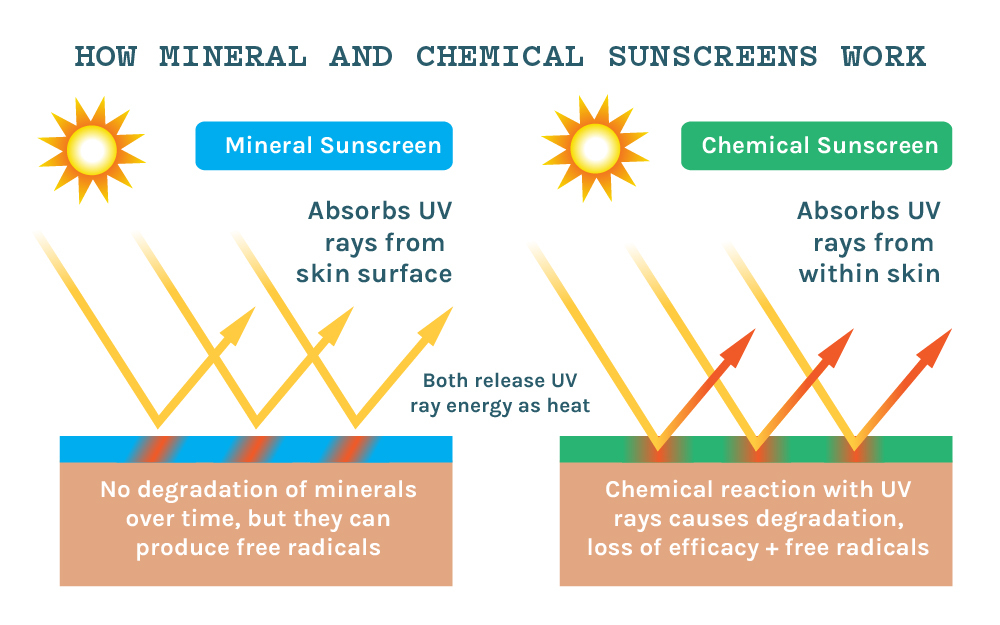
Zinc Oxide and Titanium Dioxide are the only two on the list considered mineral, or physical, UV filters. Remember, these are Category I, FDA-approved UV filters that are designated GRASE (Generally Recognized As Safe and Effective). Unlike chemical UV filters, they stay on the very top layer of the skin to create a barrier or shield.
Zinc Oxide and Titanium Dioxide were long thought to provide UV protection by reflecting or “scattering” light like tiny mirrors. This presumption was formed decades ago when larger particle minerals were being used. These minerals create a thick, opaque coating on skin in white or colored formulas. Surfers and lifeguards particularly adopted this type of sunscreen in the 1980s and 1990s for use particular on noses and cheeks. It gives a tribal face paint appearance.

The standard attire for surfing is not what people want to wear to the office, or even on a morning run. Everyday wear demands a more elegant, transparent finish, and so micronized and nano mineral particles were developed. It turns out that these smaller size particles function differently than their larger, nose-protecting friends.
Micronized and nanoparticle mineral sunscreens have now been proven to absorb the majority of the light that hits them. The photons in the light excite their electrons, and that energy is then released as heat.
Zinc Oxide and Titanium Dioxide do not degrade when exposed to UV light. They do not lose their chemical structure and become a new compound. The Zinc Oxide that you apply to your skin is the same Zinc Oxide you will wash off at the end of the day.
How Chemical Sunscreens Work
Chemical UV filters sink into the deeper layers of the skin and absorb UV light, converting it into heat that is released by the skin, minimizing damage caused by UV exposure when used as directed. They also tend to be more aesthetically pleasing because they are lightweight and blend easily with no white cast.
Unfortunately, the cons far outway the pros in the case for chemical sunscreens. The ability of these ingredients to absorb so deeply that they enter the bloodstream, combined with the endocrine disrupting action and possible reproductive damage. Well… it just doesn’t seem worth it when there is a healthier alternative.
Chemical UV filters are also notoriously fragile and break down easily with sunlight and heat. So, they might be more aesthetically pleasing but at what cost?
Is Mineral Sunscreen Good For Your Skin? Answers to Your "Burning" FAQs!
Mineral sunscreens are considered to be the best option for the health of your skin. In particular, Zinc Oxide is broad spectrum, providing protection from both UVA and UVB radiation. Meaning, it will avoid a sunburn today while mitigating those pesky fine lines down the road. And if you consider that Zinc Oxide has natural cooling and anti-inflammatory properties while it creates a protective barrier, it is a no-brainer.
Does Mineral Sunscreen Make You White?
The primary concern about using mineral sunscreen is really all about looks. It tends to be thicker and takes time to spread. Remember, the mineral UV filter is creating a physical barrier that stays on the surface of your skin to deflect UV radiation. Unfortunately, the white cast that is left on the skin because of the reflective quality of the larger particles can make it not as user friendly. No one wants to go to an outdoor gathering looking pasty or ghostly.
Micronized Transparent Zinc Oxide: Good News For Mineral Sunscreen Fans!
The development of nanoparticle zinc oxide was meant to improve the cosmetic appeal and application. Unfortunately, these smaller particles (smaller than 100 nanometers) pose health concerns, especially in cosmetic powders and sunscreen sprays due to the chance of inhalation. But luckily the science has evolved to the development of micronized transparent zinc oxide perfect for mineral sunscreen formulations with larger particles than nano zinc but with no white cast.

Zinc Oxide particles become transparent to the human eye at about a size of 200 nm while Titanium Dioxide only becomes truly transparent at about 20 nm in size. Sizes below 100 nm are technically considered “nanoparticles”.
Are Nanoparticle Mineral Sunscreens Safe?
The smaller mineral particles that offer a more pleasant appearance on skin also create more safety considerations. The primary concern about mineral particles is that they may travel past the skin’s surface and have negative impacts on living tissues.
A strong skin barrier greatly reduces the risk that mineral particles will move beyond the skin’s surface.
People with a damaged skin barrier are at greater risk of absorbing nanoparticle mineral sunscreens. This would include cuts, abrasions and places where eczema, psoriasis, acne, and possibly rosacea are flaring. Anywhere the skin barrier is broken or more permeable will be prone to more quickly take in nanoparticle mineral sunscreens.
Repeated research on non living skin models indicated that nano minerals generally do not penetrate beyond the first few layers of the Stratum Corneum (our outermost, dead, protective layer of skin cells) and later mineral sunscreen research on living human skin has confirmed the finding that nano Zinc Oxide particles do not penetrate healthy skin.
One study on pig and hairless mouse skin over 30 and 60 days did document absorption, but animal and mouse models like this may not represent results in human skin as there can be substantial differences between the two.
It’s worth noting that micronized size mineral particles are not included in these concerns, however the instructions on all sunscreens sold in the USA include warnings not to apply to broken skin. Chemical sunscreens can cause an allergic reaction on broken skin, and mineral sunscreens could absorb at a greater rate in that area. If you have broken skin no sunscreen is recommended for use on that area. UPF clothing, hats, and avoiding peak sun hours is preferable.
What does the data say about the safety of nano particle Titanium Dioxide in sunscreens?
Titanium Dioxide has a long history of use in sunscreen. Titanium Dioxide is often included because it boosts UVB protection, offering desirable, higher SPF ratings like 40-50.
If you see Titanium Dioxide in a mineral sunscreen, and it does not give a white cast it’s highly likely that the particles are nano sized. The average size of Titanium Dioxide particles used for sunscreen is between 10 and 100 nm. Between 200 and 500 nm size particles create visual opacity, which is great for use in color cosmetics like tinted foundations, but not great if you want your sunscreen to be invisible on skin.
Normal, healthy skin has been found to act as an effective barrier to nano Titanium Dioxide. One study showed that 20 nm Titanium Dioxide particles only 3-5 cell layers into the Stratum Corneum after 48 hours. This depth does not reach living tissues.
Other studies have also shown that short term exposure to nanoparticle Titanium Dioxide can be tolerated by normal, healthy skin without deep absorption.
What does the data say about the safety of nano particle and non nano Zinc Oxide in sunscreen?
The most recent research shows that Zinc Oxide is safe as a sunscreen ingredient whether used in micronized or nanoparticle form.

A 2017 Korean toxicology study concluded that Zinc Oxide was “virtually non toxic” in animal models that included ingestion and topical application. The skin penetration was determined to be low. The researchers concluded that when used at rates of 25% or less of a formula Zinc Oxide is a safe material for sunscreen use.
A 2019 study also found that Zinc Oxide sunscreen, even in nanoparticle form, did not penetrate the skin to living tissues when used repeatedly over 5 days. The agglomerated (bunched up) particles were found exclusively in the Stratum Corneum and skin furrows. The study re-proved in human skin that Zinc Oxide nanoparticles do not create a toxicity problem for cells, or penetrate intact skin.
A 2020 study on nanoparticle Zinc Oxide sunscreens evaluated if sea creatures might be harmed by nanominerals washing off beachgoers into their living environment. They documented that nano mineral sunscreens can wash off into marine environments, and can have negative effects on sea life partly through causing free radical stress.
Two ways to reduce this impact would be to choose a sunscreen that has proven water resistance when visiting beaches and waterways, and to choose to use UV protective clothing instead of sunscreen when possible.
Are combination sunscreens that use mineral and chemical UV filters a good idea?
Since mineral UV protection can come with downsides like undesirable product textures and ghost-like whitening of skin some formulators have started to combine mineral + chemical UV filters into products. Their goal is to be able to use a reduced amount of mineral sunscreen filter while marketing as a mineral sunscreen.
Unfortunately this strategy has been proven to backfire badly.
Chemical sunscreen ingredients create challenges in formulation, and require special attention to maintain stability when the sunscreen product is exposed to light. When a sunscreen is made with only combinations of chemical sunscreen ingredients the stability can be more easily controlled.

Adding 6% Zinc Oxide to a test blend containing Avobenzone caused the Avobenzone to degrade, resulting in an 84.3% - 91.8% loss in UVA protection depending on the Zinc particle size. This quantity of Zinc Oxide is not adequate to provide good UVA protection on its own, resulting in far more damage to skin than if a purely chemical or purely mineral sunscreen was used.
Adding to this problem, the mineral and chemical blended test sunscreen also created vastly more toxic chemical byproducts than when minerals or chemicals were used alone.
Do mineral and chemical sunscreens create free radicals?
Yes - both mineral and chemical sunscreens create free radicals when exposed to UV light.
Sun exposure by itself will create free radicals that the skin must cope with. Neither mineral or chemical sunscreen use will prevent the formation of free radicals as each of these sunscreen types creates some from the interaction of UV light with the sunscreen ingredient.
Some chemical sunscreens like octocrylene, octylmethoxycinnamate, and benzophenone-3 have been shown to create more free radicals in the skin versus if no sunscreen was used at all. Because chemical sunscreen filters absorb into skin these free radicals occur within the skin.
It has been recently documented that mineral sunscreen UV filters produce long-lived free radicals following exposure to sunlight. Since the minerals are on the surface of skin the free radicals are also on skin’s surface. These free radicals from mineral sunscreen can have negative impacts on the environment if they wash off into water, as has been proven with recent studies on fish in marine environments.
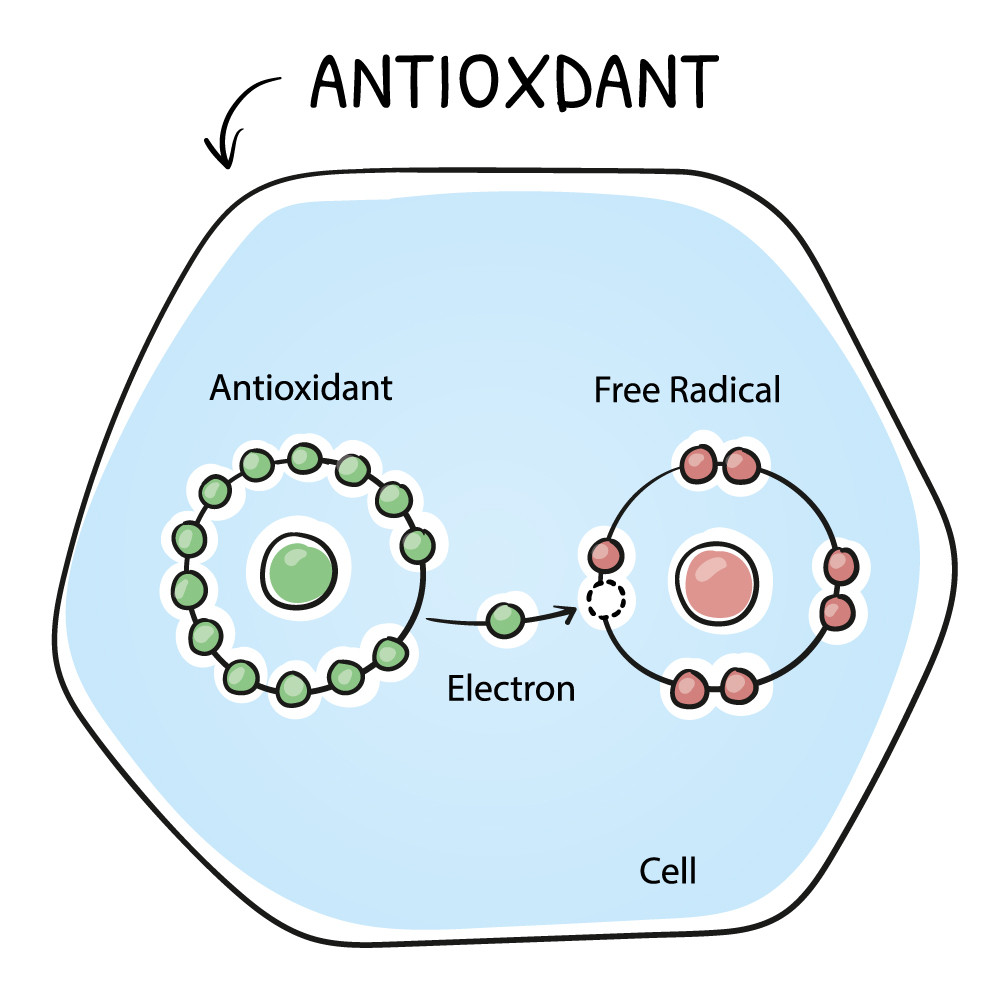
Overall free radicals are guaranteed when spending time in the sun, so the important thing is to counteract them with antioxidants in your skincare routine, in good dietary choices, and optimally in your sunscreen as well. Not every sunscreen is formulated with antioxidants included.
Is mineral sunscreen good for sensitive skin?
Yes - mineral sunscreen is the popular choice for sensitive skin because Titanium Dioxide and Zinc Oxide are considered safe, non-toxic and hypoallergenic. They also do not absorb into the skin like chemical sunscreens.
Pro Tip: When considering sensitivity and reactive skin, it is important to look at the inactive ingredients in your sunscreen. In general, mineral sunscreens tend to stay on the “cleaner” side of the spectrum but it is still important to look out for common allergens like synthetic fragrances and irritating preservatives. These are all too common in chemical sunscreens, but can appear in mineral sunscreens as well. Not every mineral sunscreen is made for sensitive skin!
Even mineral based sunscreens can have inactive ingredients that cause skin reactions for sensitive skin. Silicones are often used to disperse mineral pigments and these can cause skin disruption for sensitive and acne prone people. It pays to read both the active and inactive ingredients list carefully.
Is mineral sunscreen good for rosacea?
Yes - Zinc Oxide is especially good for skin conditions like rosacea because it has soothing properties while being photoprotective.
Is mineral sunscreen good for eczema?
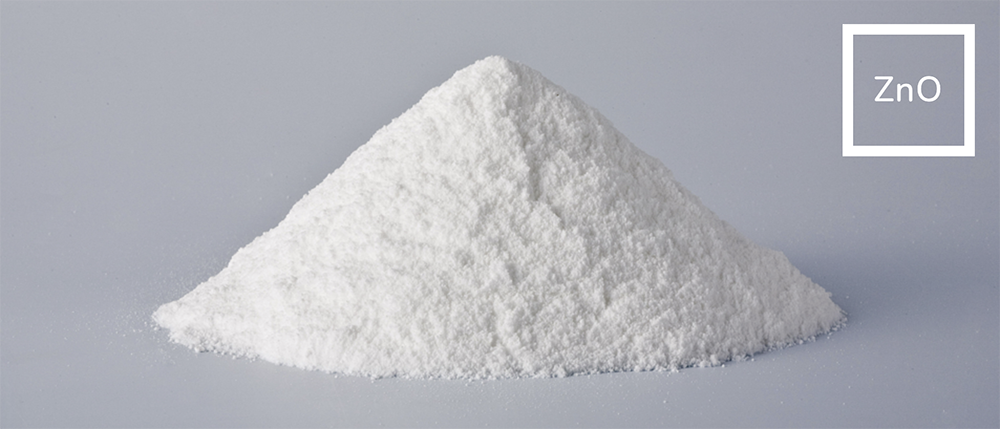
Yes - Although both Titanium Dioxide and Zinc Oxide are even used in medicated creams for their beneficial and protective qualities, Zinc Oxide is widely used for skin conditions like acne, eczema and even diaper rash, because it promotes healing and protects.
The National Eczema Association Seal of Acceptance also only awards their Seal to sunscreens that are made strictly with mineral sunscreen ingredients. No chemical sunscreen filters are allowed.
Does mineral sunscreen work right away when applied to skin?
Yes- Mineral sunscreens go to work immediately. Chemical sunscreens generally need 15-30 minutes to absorb into the skin before they will start working.
No Compromising: Mineral Sunscreen For The Win for Healthy Skin
While both chemical and mineral sunscreens offer sun protection, mineral sunscreens stand out for their safety, gentleness, and immediate effectiveness. With ingredients like zinc oxide and titanium dioxide, they provide protection without irritating the skin or introducing questionable chemicals.
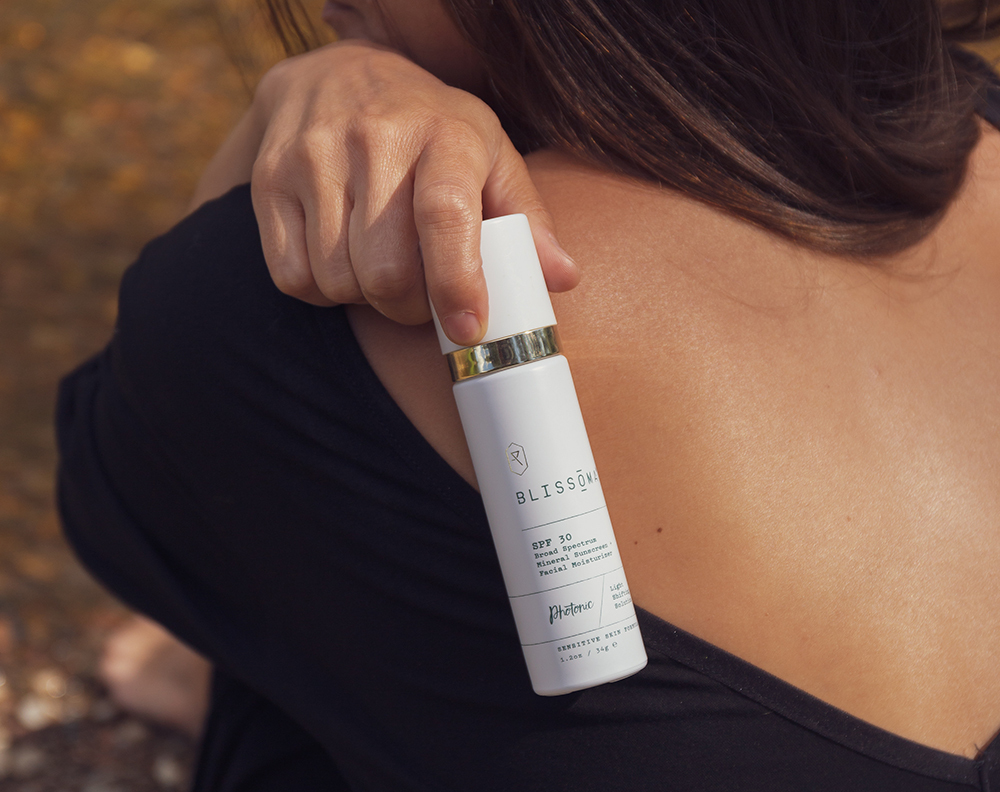
Whether you have sensitive skin, care about reef safety, or simply want a more natural option, mineral sunscreens are a smart, skin-friendly choice. Your skin deserves protection that’s both effective and trustworthy. Mineral sunscreen delivers just that.
Disclaimer: The information contained on this site is general in nature and for informational purposes. It is not meant to substitute for the advice provided by your own physician or other medical professional. None of the statements on this site are a recommendation as to how to treat any particular disease or health-related condition. If you suspect you have a disease or health-related condition of any kind, you should contact your health care professional immediately. Please read all product packaging carefully and consult with a healthcare professional before starting any diet, exercise, supplementation or medication program. Cosmetic products have not been evaluated by the Food and Drug Administration and are not intended to diagnose, treat, cure, or prevent disease.